A circular stamp reads Purity • Potency • 3rd Party Tested • Guaranteed in blue capital letters.

BATCH

PURITY

99% HPLC

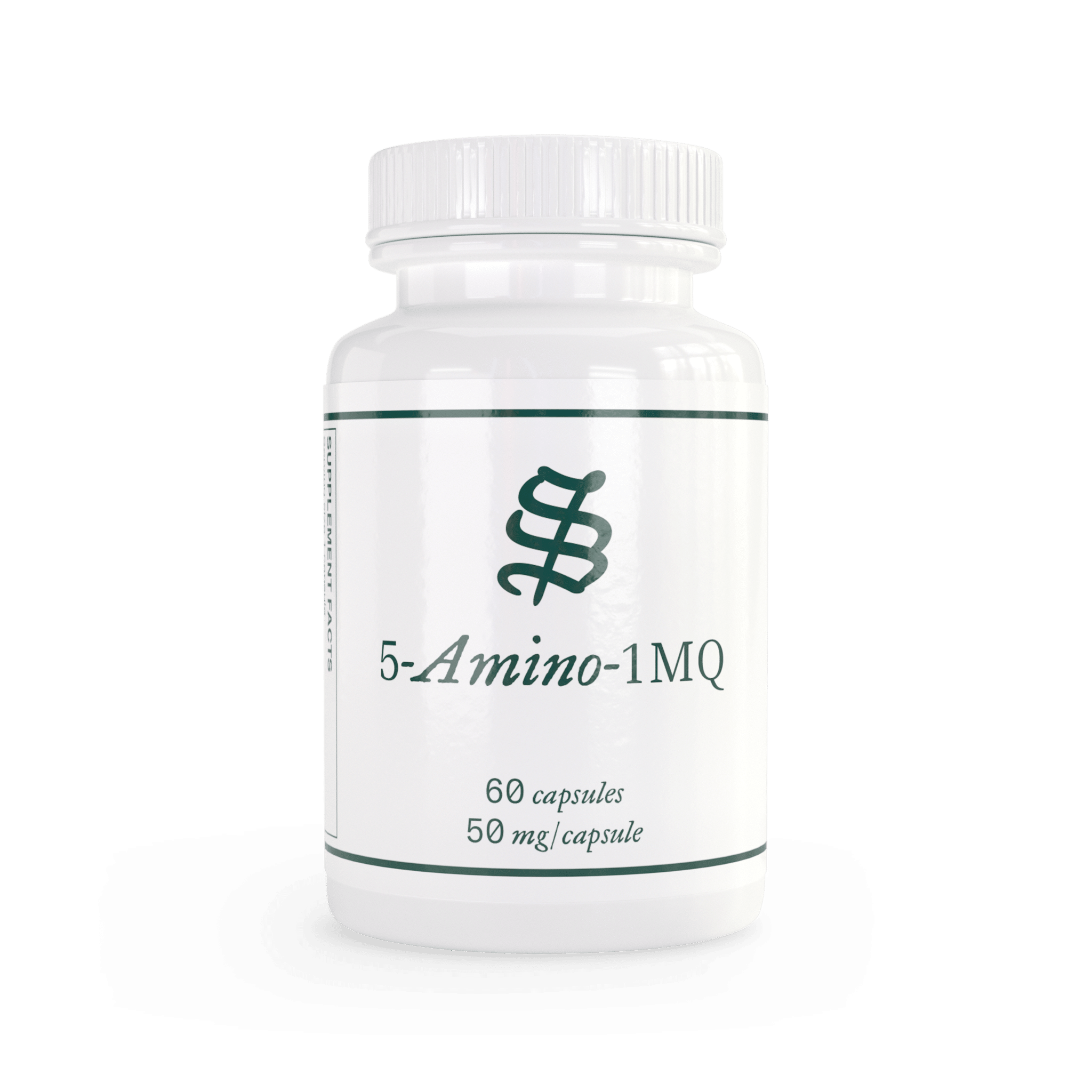
5-Amino-1MQ

Cellular RegenerationFat-BurningVisceral Fat Reduction

$155.00

Volume Pricing Guide

QUANTITY PRICE PER
1 $155.00
2 - 4 $139.50
5 - 9 $131.75
10 - 14 $124.00
15 - 19 $116.25
20 + $108.50

Only the lyophilized product is provided. For research use only. All supplies sold separately.  

Section divider line

Summary

5-Amino-1MQ is an orally active small molecule designed to support fat metabolism, energy utilization, and body composition by targeting cellular pathways involved in energy storage and expenditure¹⁻³. As an inhibitor of nicotinamide N-methyltransferase (NNMT), 5-Amino-1MQ helps shift the body away from energy conservation and toward increased metabolic activity—supporting fat reduction while preserving lean tissue. Unlike stimulant-based approaches, 5-Amino-1MQ works at the cellular level to influence how energy is processed and stored. This results in a more consistent, non-jittery improvement in metabolic efficiency. As systemic metabolic function improves, secondary benefits such as enhanced muscle definition, improved skin tone, and overall physical refinement may be observed, reflecting improved cellular energy balance and reduced inflammatory burden.
Section divider line

Description & Pharmacodynamics

5-Amino-1MQ is a selective inhibitor of NNMT, an enzyme involved in regulating cellular methylation balance and energy metabolism¹⁻³. Elevated NNMT activity has been associated with obesity, insulin resistance, and reduced metabolic efficiency. By inhibiting NNMT, 5-Amino-1MQ increases intracellular NAD⁺ levels and enhances metabolic activity:

  • NNMT Inhibition: Reduces methylation-driven energy conservation pathways, shifting the body toward increased energy expenditure¹⁻³.
  • NAD⁺ Preservation: Supports higher intracellular NAD⁺ availability, promoting mitochondrial function and cellular energy production²⁻⁴.
  • Fat Metabolism Support: Encourages lipolysis and reduces adipocyte size, contributing to improved body composition¹⁻³.
  • Non-Stimulant Energy Optimization: Enhances metabolic efficiency without affecting central nervous system stimulatory pathways.
  • Systemic Tissue Effects: Improvements in metabolic signaling can support muscle definition, reduced inflammation, and improved skin clarity as secondary outcomes.

5-Amino-1MQ functions as a metabolic regulator rather than a stimulant, influencing foundational pathways that determine how the body stores and utilizes energy.

Section divider line

Research Insights

NNMT & Obesity Pathways
NNMT has been identified as a key regulator of adipose tissue metabolism. Inhibition of NNMT has been shown to reduce fat accumulation and increase energy expenditure in preclinical models¹⁻³.

NAD⁺ & Mitochondrial Function
By preserving NAD⁺ levels, 5-Amino-1MQ supports mitochondrial efficiency and oxidative metabolism, which are essential for sustained energy production and metabolic health²⁻⁴.

Body Composition & Fat Reduction
Studies demonstrate that NNMT inhibition leads to reduced adiposity and improved metabolic flexibility without the need for stimulant-based interventions¹⁻³.

Metabolic Health & Insulin Sensitivity
Modulation of NNMT activity has been associated with improved glucose handling and insulin sensitivity, suggesting potential benefits in metabolic syndrome and related conditions²⁻⁴.

Skin & Systemic Effects
Improved metabolic efficiency and reduced oxidative stress may contribute to better skin tone, clarity, and overall tissue quality, reflecting enhanced cellular function rather than direct cosmetic action.

Section divider line

Structure

  • Chemical Name: 5-Amino-1-methylquinolinium
  • Molecular Formula: C₁₀H₁₀N₂
  • Molecular Weight: ~158.20 g/mol
  • Compound Class: NNMT Inhibitor
  • PubChem CID: Not yet assigned
Section divider line

Citations for 5-Amino-1MQ

  1. Kraus, D., et al. (2014). Nicotinamide N-methyltransferase knockdown protects against diet-induced obesity. Nature, 508(7495), 258–262.
  2. Kannt, A., et al. (2015). NNMT as a regulator of metabolic health and adiposity. Biochemical Journal, 467(2), 289–301.
  3. Neelakantan, H., et al. (2018). Selective NNMT inhibition as a strategy for metabolic disease. Journal of Medicinal Chemistry, 61(15), 6415–6425.

Hong, S., et al. (2020). NAD⁺ metabolism and mitochondrial function in obesity. Cell Metabolism, 31(3), 529–544.

**Note:** This product is intended for research purposes only and not for human consumption. Always consult with a healthcare professional before starting any new supplement or research product.

Researched Pairings