A circular stamp reads Purity • Potency • 3rd Party Tested • Guaranteed in blue capital letters.

BATCH

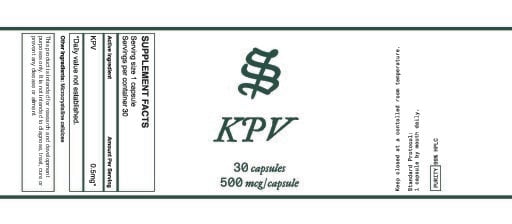
PURITY

99% HPLC

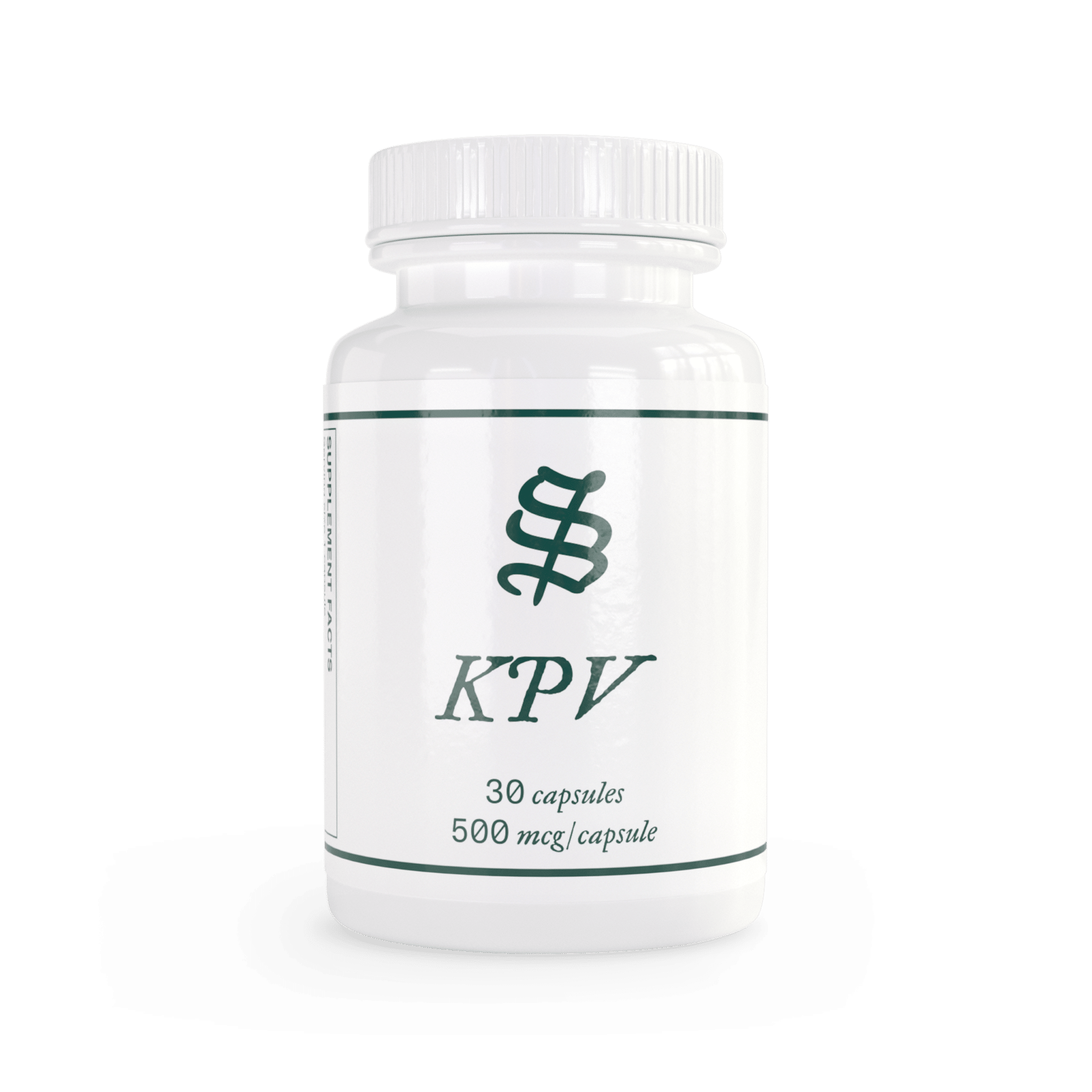
KPV

Gut Lining RepairInflammation RegulationSkin Renewal

$165.00

Volume Pricing Guide

QUANTITY PRICE PER
1 $165.00
2 - 4 $148.50
5 - 9 $140.25
10 - 14 $132.00
15 - 19 $123.75
20 + $115.50

Only the lyophilized product is provided. For research use only. All supplies sold separately.  

Section divider line

Summary

KPV is a naturally derived anti-inflammatory peptide known for its ability to calm overactive immune signaling while supporting tissue integrity in the gut, skin, and connective tissue. As a tripeptide fragment of α-melanocyte-stimulating hormone (α-MSH), KPV plays a regulatory role in immune balance rather than immune suppression—helping the body return to a state of controlled, efficient healing¹⁻³. Clinically and experimentally, KPV is valued for its dual impact: reducing chronic, low-grade inflammation that drives pain, digestive dysfunction, and premature skin aging, while simultaneously supporting barrier integrity and tissue quality. Its effects are subtle but foundational, making KPV a core peptide for individuals seeking systemic balance with visible downstream benefits in comfort, resilience, and skin appearance.
Section divider line

Description & Pharmacodynamics

KPV (Lys–Pro–Val) exerts its effects primarily through modulation of the melanocortin system and inhibition of nuclear factor kappa B (NF-κB), a central regulator of inflammatory gene expression¹⁻⁴. By dampening excessive cytokine signaling without shutting down normal immune defense, KPV supports a healthier inflammatory environment across multiple tissues:

  • Inflammation Regulation: Reduces production of pro-inflammatory cytokines such as TNF-α, IL-1β, and IL-6, helping normalize immune responses in chronic inflammatory states¹⁻³.
  • Gut Barrier Integrity: Supports intestinal epithelial stability and reduces inflammatory permeability, making it particularly relevant in gut-driven systemic inflammation⁴⁻⁶.
  • Skin Calm & Quality Support: By reducing inflammatory signaling involved in redness, sensitivity, and collagen breakdown, KPV contributes to improved skin tone, comfort, and long-term structural quality⁵⁻⁷.
  • Immune Homeostasis: Encourages balanced immune signaling rather than suppression, preserving normal healing and defense mechanisms¹⁻⁴.

KPV functions as a regulatory peptide—quieting excess signals so that repair, renewal, and normal tissue maintenance can proceed more efficiently.

Section divider line

Research Insights

Inflammation as a Root Cause
Chronic activation of NF-κB is implicated in a wide range of conditions, including inflammatory bowel disorders, joint degeneration, and accelerated skin aging. KPV has demonstrated strong inhibitory effects on this pathway, positioning it as a foundational peptide for inflammation-driven conditions¹⁻³.

Gut–Immune–Skin Axis
Research suggests that intestinal inflammation contributes to systemic immune activation and skin manifestations. By stabilizing gut barrier function and reducing local inflammation, KPV may indirectly support improvements in skin clarity and comfort⁴⁻⁶.

Skin Quality & Sensitivity
KPV has shown efficacy in reducing inflammatory responses in keratinocytes and dermal tissue, supporting calmer skin environments and protecting against inflammation-induced collagen degradation⁵⁻⁷.

Synergy with Regenerative Peptides
KPV is frequently combined with regenerative peptides such as BPC-157, GHK-Cu, and TB-500 to create a biologically permissive environment for tissue optimization by first reducing inflammatory interference¹⁻⁷.

Section divider line

Structure

  • Sequence: Lys–Pro–Val
  • Peptide Class: Melanocortin-derived tripeptide
  • Molecular Formula: C₁₆H₃₀N₄O₄
  • Molecular Weight: ~346.4 g/mol
  • PubChem CID: 16136588
Section divider line

Citations for KPV

  1. Brzoska, T., et al. (2008). Anti-inflammatory effects of melanocortin peptides including KPV. Endocrine Reviews, 29(5), 581–602.
  2. Catania, A., et al. (2010). The melanocortin system in immune modulation. Pharmacological Reviews, 62(2), 245–274.
  3. Luger, T. A., et al. (2003). Alpha-MSH and immune regulation. Annals of the New York Academy of Sciences, 994, 133–140.
  4. Kannengiesser, K., et al. (2008). KPV and NF-κB inhibition in intestinal inflammation. Inflammatory Bowel Diseases, 14(3), 324–332.
  5. Böhm, M., et al. (2006). Melanocortin peptides in skin inflammation. Journal of Investigative Dermatology, 126(5), 1077–1086.
  6. Manna, S. K., & Aggarwal, B. B. (1998). NF-κB signaling and chronic inflammation. Journal of Biological Chemistry, 273(9), 4987–4993.
  7. Grabbe, S., et al. (1996). Immunomodulatory effects of melanocortins in skin. Journal of Immunology, 156(11), 4739–4746.

**Note:** This product is intended for research purposes only and not for human consumption. Always consult with a healthcare professional before starting any new supplement or research product.

Researched Pairings